
How airports can create capacity without adding a single conveyor
Updated: Aug 6

When airports face growing passenger demand, the first instinct is often to focus on infrastructure expansion.
More conveyors. More screening capacity. More reclaim space. More physical assets.
Sometimes that investment is necessary.
But in many cases, the biggest operational constraints are not caused by a lack of infrastructure. They are caused by how existing infrastructure is being used.
Airports are complex operational environments where small inefficiencies compound quickly. A bottleneck in one area creates pressure elsewhere. Poor buffer utilisation affects system flow. Conservative control logic limits throughput unnecessarily. Manual interventions slow processes that should remain automated. Operational assumptions made years earlier continue shaping systems long after passenger behaviour has changed.
Over time, airports can unintentionally lose capacity without physically changing the infrastructure itself.
The challenge is that these inefficiencies are rarely obvious when viewed through static reporting or average annual forecasts.
Most airports already hold large amounts of operational data. What is often missing is the ability to understand how the entire operation behaves dynamically under real conditions.
That is where digital twins are changing the conversation.

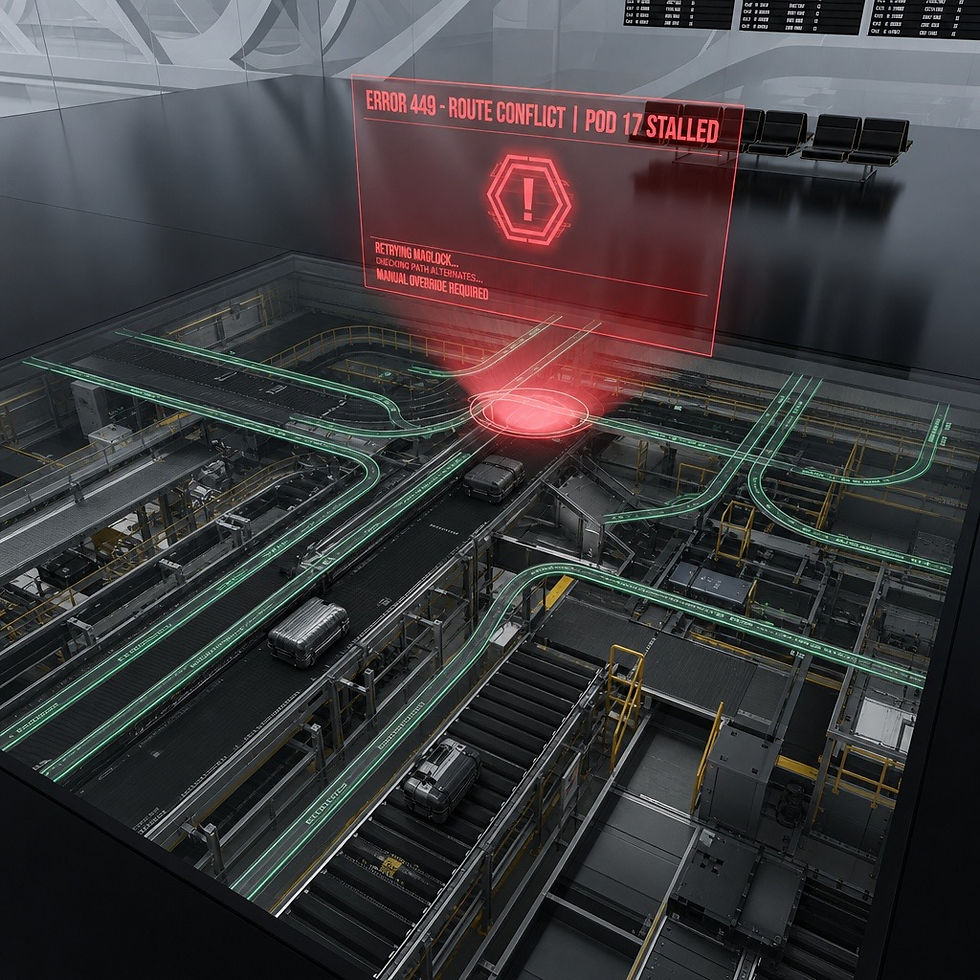
Using physics-based simulation environments such as cogITo SMART, airports can model their operations in detail and test how systems perform under realistic passenger demand, flight schedules, disruption scenarios, and peak operational periods.
The goal is not simply visualisation. It is operational understanding.
Digital twins allow airports to identify where capacity is genuinely constrained and where it is being limited by process, logic, sequencing, or operational strategy instead.
In some cases, relatively small operational adjustments can unlock significant performance improvements. Changes to baggage release timing. Improvements to control strategies. Reconfigured buffer allocation. Different screening utilisation logic.
Revised operational sequencing during peak periods. Smarter use of early bag storage.
Individually, these changes may appear minor.

Collectively, they can create meaningful additional capacity without requiring immediate capital expansion.
Perhaps more importantly, digital twins allow those decisions to be tested safely before implementation.
Airports can evaluate multiple scenarios, introduce operational disruptions, and understand the downstream impact of proposed changes before making costly commitments in live operations.
That reduces risk whilst improving confidence in future planning decisions.
Infrastructure investment will always remain part of airport growth. But expansion should ideally happen because it is genuinely required, not because operational inefficiencies were never fully understood.
The most effective airport operations are not always the ones with the largest systems.
They are the ones that understand how to extract the maximum value from the infrastructure they already have.


Comments